
15 Creative Indoor Team Building Ideas That Boost Team Morale
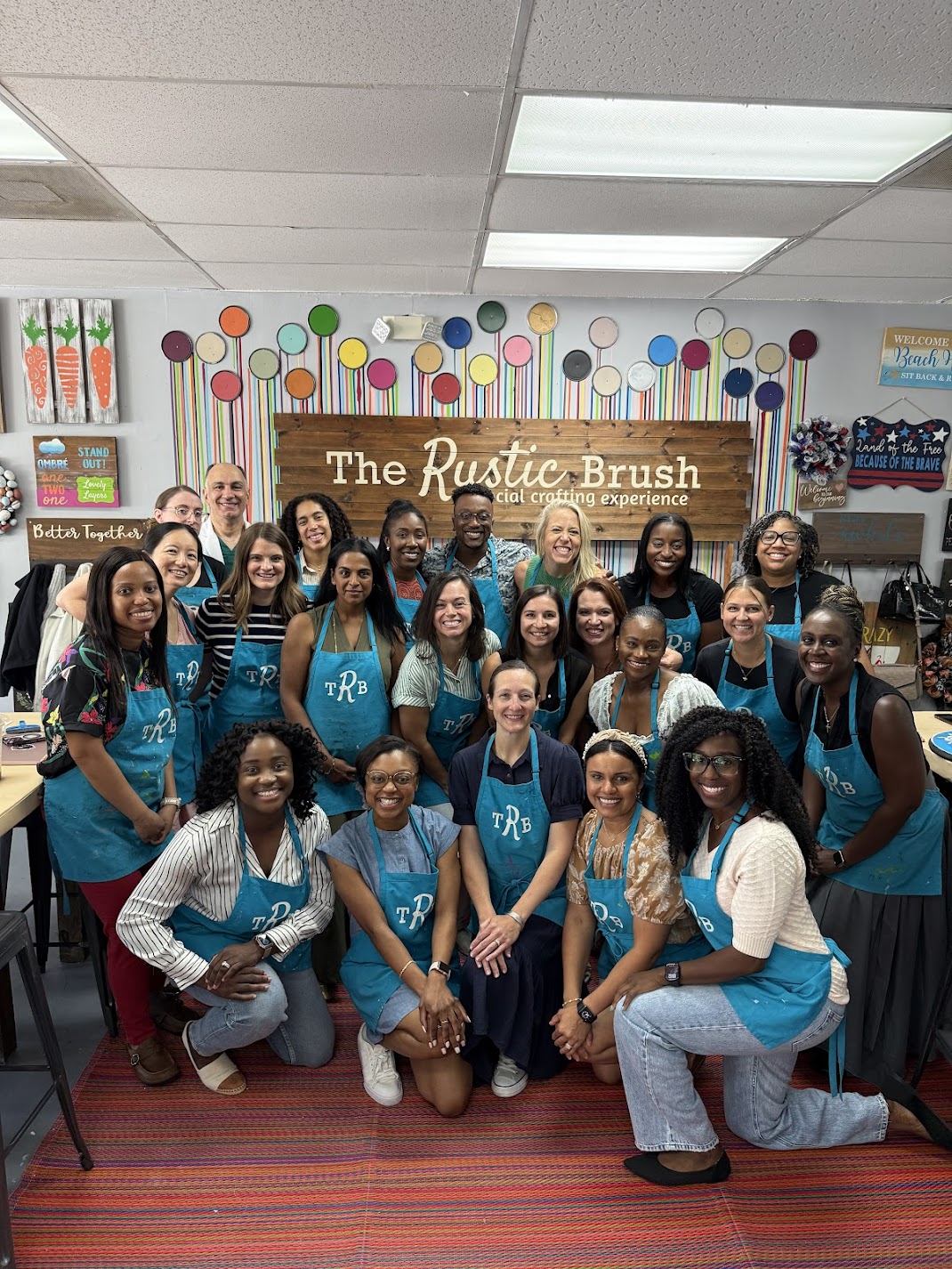
The best indoor team building ideas give people a shared goal to win, not forced fun. When a team laughs, solves a problem, or builds something together, morale shifts quickly. People talk more, meetings feel lighter, and even rough weeks feel less tense.
A lot of managers search for indoor team building because something already feels off. The goal is not choosing the most energetic activity. It is choosing something that fits your team’s mood and needs.
Why Indoor Team Building Actually Works
Most team building fails for the same reason and that reason is because it feels fake.
People can spot forced fun in seconds. A bad ice breaker workshop feels like another meeting with snacks where the phones come out, energy drops, and nobody wants that. The activities that work feel useful or playful in a real way. That matters.
Good indoor team building creates a shared moment. Maybe a group solves a puzzle under pressure. Maybe they burn cookies during a baking contest and laugh about it for weeks. Tiny stories build trust faster than long speeches from leadership. That’s the shift.
How to Choose the Right Indoor Team Building Activity
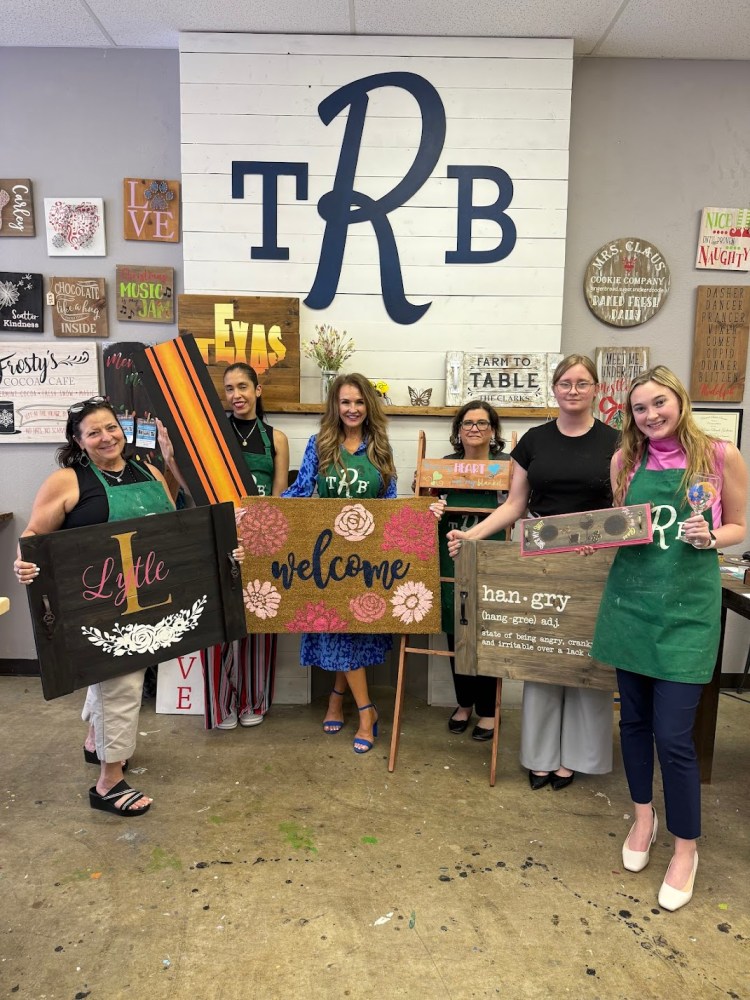
The activity matters less than the fit.
A trivia night can feel electric with one team and painfully awkward with another. Why? Because of group chemistry. Some teams want competition while others need connection first.
Before booking anything, look at how your team already acts during meetings, lunches, and Slack chats. Quiet groups often respond better to hands-on tasks than public speaking games.
Use these filters before choosing:
- Group familiarity
Ask: Do people already know each other well?
Rules out: Deep sharing games for brand-new teams. - Energy level
Ask: Is the team stressed or upbeat today?
Rules out: Loud competitions after hard work weeks. - Budget
Ask: Do you need a zero-cost option?
Rules out: Off-site events and catered workshops. - Time available
Ask: Do you have 20 minutes or half a day?
Rules out: Escape rooms during packed schedules. - Hybrid setup
Ask: Are remote workers joining equally?
Rules out: In-office games with one Zoom screen.
15 Creative Indoor Team Building Ideas That Boost Team Morale
Some activities wake teams up fast, while others slowly rebuild trust. Pick based on the problem you are trying to solve.
1. DIY Craft Workshop
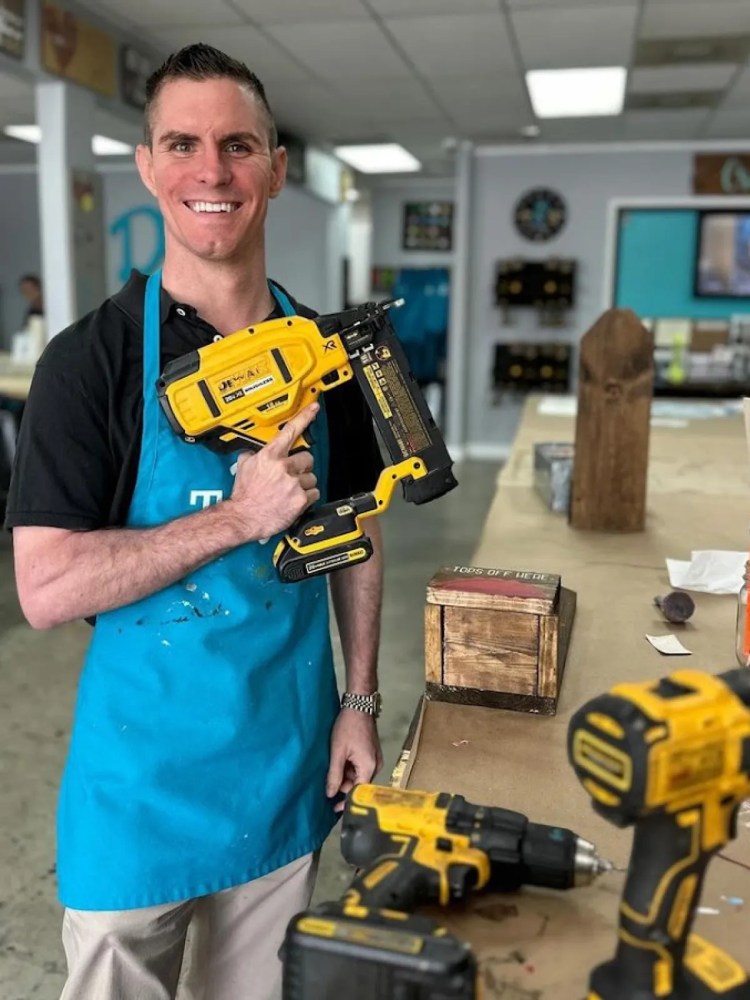
Sometimes teams need to build something real with their hands. Not another slide deck.
Creative workshops through The Rustic Brush work well because people leave with something personal they actually made. The company offers instructor-led sign making, home décor projects, off-site craft events, BYOB private parties, and mobile workshops for team events across Texas.
They also offer on-site services so you can call their team to the office and they’ll be ready with all the setup and materials so you don’t have to worry about organizing anything. The atmosphere feels relaxed instead of corporate, and that changes everything.
2. Escape Room Challenge
Escape rooms work because people stop acting like coworkers for an hour. Suddenly, the finance lead is crawling under tables looking for clues while the intern solves the code first.
But one mistake ruins the mood. One loud person takes over while everyone watches. Split puzzle duties early so each person owns part of the challenge.
3. Cooking or Baking Challenge
Cooking contests create stories people repeat for months. Someone always burns the cookies while someone forgets salt and somebody gets weirdly competitive about frosting. That shared memory matters more than the food itself.
No kitchen? No problem. Many offices run no-bake dessert contests or microwave mug-cake battles. The goal is just to have fun and bond with the colleagues.
4. Office Trivia Tournament
Trivia can feel amazing or painfully stiff but category design decides everything.
All work-related questions feel like another training session while all pop culture shuts some people out. Instead, you can mix the categories.
You can keep one round about company history, one round using fun facts from coworkers, and one round of random culture questions. That balance keeps everyone in the game.
5. Scavenger Hunt
Generic scavenger hunts feel like homework.
The best clues connect to people inside the office. You can use clues like find the oldest coffee mug, find the person who survived the weird office flood three years ago, or find the desk plant nobody waters but somehow survives anyway.
See the difference? That’s what makes people laugh.
6. Paper Tower Challenge
This activity reveals team habits in ten minutes flat.
One person jumps into leadership while another quietly fixes structural problems and somebody checks out early.
Sounds dramatic? Watch it happen once. Teams learn more from these quick pressure moments than from long lectures.
7. Two Truths and a Lie
This game works with low familiarity and high trust. Without trust, it feels awkward fast.
A skeptical team often hates personal sharing too early. If people barely know each other, start with lighter activities first. Trivia or blind drawing works better.
8. Lego Building Challenge
Physical tasks change who speaks up.
People who stay quiet during meetings often become deeply engaged while building something with their hands. That shift surprises managers every time.
Small Lego kits, timed design prompts, or bridge-building contests all work well indoors.
9. Improv Workshop
Improv is not really about comedy, but it also trains listening.
The key rule is “yes, and.” One person offers an idea and the next person accepts it and builds on it instead of shutting it down. Teams that practice this for even 45 minutes often communicate better afterward.
Meetings become less defensive, ideas move faster which is very useful.
10. Murder Mystery Lunch
The low-key version works best.
Skip the expensive actors and giant costumes. Printed role cards and a one-hour lunch setup are enough. Teams stay engaged because the format feels playful without becoming theater camp.
11. Charity Challenge
Competitive games create winners and losers, but charity projects create shared purpose.
Packing food boxes or assembling care kits shifts focus outward that changes team energy. People stop competing against coworkers and start solving something together.
Morale rises because the goal feels bigger than office politics.
12. Office Olympics
Not every event should favor athletic people.
The best Office Olympics include silly, equal-footing games, paper airplane contests, typing races, rubber band basketball or chair relay races.
Keep events goofy enough that nobody feels embarrassed losing. That keeps people engaged.
13. Virtual Escape Room
Hybrid teams need equal participation from the start.
A standard in-office escape room with remote workers on Zoom rarely works well. Remote staff become spectators. So, pick a fully virtual platform instead so everyone joins the same way.
Companies still use virtual hosts and timed puzzle rooms for groups under 60 minutes because they fit packed workdays well.
14. Blind Drawing Activity
This exercise exposes weak communication instantly.
One person describes an image without naming it, and another person draws based only on instructions. Teams quickly see how vague directions create confusion.
This is much stronger than hearing another lecture about communication skills.
15. Personality Type Workshop
Personality workshops help teams understand friction before resentment grows.
Tools like DISC and StrengthsFinder are widely used in US workplaces because they give teams a shared language for behavior differences.
Nobody becomes magically easier overnight. But people stop assuming bad intent so quickly. That lowers tension.
Final Thoughts
Finding a good indoor team building is not about filling an afternoon calendar slot. It is about giving people a reason to relax around each other again. That can happen during a trivia round, a messy baking contest, or a quiet craft workshop where nobody talks about deadlines for an hour.
The strongest team building moments rarely look polished. They look messy, funny, slightly chaotic, and real. That is usually when teams start trusting each other again.
Honestly, the best team building moments usually look a little chaotic. That is often when real connection starts.
FAQs
Q1: What is the best indoor team building activity for small teams?
Escape rooms, DIY craft workshop, trivia nights, and Lego challenges work well for smaller groups. They keep everyone involved without needing huge setups.
Q2: How often should companies plan team building events?
Most teams respond well to something small every month and one larger event every quarter. Too many events can feel forced.
Q3: Are indoor team building activities good for remote teams?
Yes. Virtual escape rooms, online trivia, and guided workshops work well when remote staff join equally from the start.
Q4: What is the biggest mistake during team building?
Picking activities that ignore team mood. A stressed team often needs low-pressure interaction before competition.
Q5: Are creative workshops better than games?
Often, yes. Hands-on workshops feel calmer and more natural for skeptical groups. People focus on making something instead of performing socially.