
7 Proven Employee Wellness Activities That Reduce Workplace Stress Fast

Today, workplace stress sits on most HR concern lists. Companies face heavy losses tied to disengaged teams and burnout-related turnover. Yet many companies still treat wellness like a side project instead of part of the workday itself. That gap matters.
Companies should understand that employee wellness activities work best when they lower stress during the workday, not after burnout already hits. The strongest ideas are simple, quick to use, and built into daily routines instead of buried inside a benefits portal nobody opens.
This guide focuses on seven proven ways to reduce stress fast that people actually use when work gets tense.
Why Most Wellness Programs Don’t Actually Cut Stress
Most wellness programs fail because stressed employees do not have extra energy to go find help. A meditation app sounds nice at noon during onboarding, but it feels invisible during a packed Tuesday with seven meetings and two angry client emails.
Many companies add wellness on top of work instead of inside work. So employees see the program as another task, another login or another reminder.
The programs that work fit naturally into the day lower stress at the source instead of decorating the problem with free smoothies and motivational posters.
Employee Wellness Activities That Actually Reduce Stress
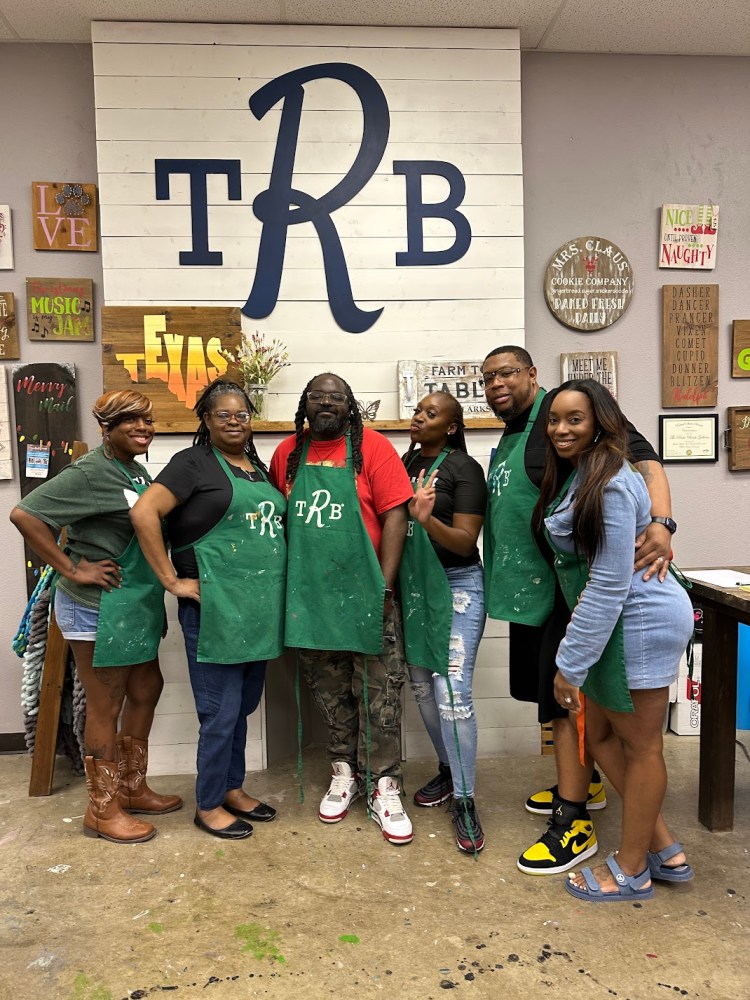
Not every team activity helps employees truly relax. But arts and crafts workshops give people a chance to slow down, work with their hands, and step away from constant emails, meetings, and deadlines for a while.
Simple creative activities like painting, candle making, or DIY crafts create a calmer atmosphere and help teams recharge without adding more pressure to the day.
1. Structured Movement Breaks Every 60 to 90 Minutes
Many offices still praise people who sit still for four straight hours, but that habit backfires. Employees become slower, more reactive, and mentally fried by mid-afternoon.
Movement breaks work. The brain runs in focus-and-recovery cycles called ultradian rhythms. Research tied to sleep scientist Nathaniel Kleitman points to a natural dip around the 90-minute mark. If you ignore that rhythm, you see stress building fast.
Going for a short walk, stair climb, or stretch session resets attention before fatigue turns into frustration. Even five minutes is enough.
2. Guided Breathing Sessions for Fast Reset
Simple techniques like box breathing slow the stress response fast. The method is easy.
- Breathe in for four counts.
- Hold for four.
- Breathe out for four.
- Hold again for four.
- Repeat for two minutes.
The key is speed. Nobody wants a 45-minute mindfulness workshop during a stressful day. But a guided five-minute breathing break before a tense client call? That gets used. Especially when managers join too.
3. Peer Recognition Rituals
Recognition gets ignored as a stress tool because it looks too simple.
Stress grows faster when people feel invisible. Especially if you’re going through a rough week, you might feel even heavier when your efforts get unnoticed. That emotional load sticks around longer than many managers realize.
But, a short recognition habit changes the mood fast. A five-minute shoutout round during Monday meetings works well because it feels direct and human.
The best recognition is specific. “Thanks for helping fix the client deck Friday” works better than “great job team.” Why? Because specific praise feels real. Employees trust it and trust lowers tension inside teams.
4. Walking Meetings for One-on-Ones
Walking meetings are not new. These meetings work best for one-on-one conversations or pairs. They fail in large groups, and nobody wants to juggle six opinions while dodging traffic outside the office park.
But a quiet walk during a manager check-in lowers tension quickly. Side-by-side movement feels less formal than sitting across a table. Employees often speak more openly outdoors. That shift helps difficult conversations feel less confrontational.
Walking meetings also remove the strange pressure of staring into a laptop camera for another hour.
5. Financial Wellness Workshops
Financial stress does not stay at home. Employees carry it into work every day.
These days rising living costs still push money worries near the top of employee anxiety lists. People who are overwhelmed by rent, debt, or rising grocery prices struggle to focus fully at work.
This is when quarterly financial workshops help because they offer structure and clarity. The best sessions stay practical with budget basics, retirement matching, emergency savings, and debt planning.
Use clear language only, and no complicated finance jargon because employees do not need a Wall Street seminar. They need calm, useful guidance they can apply that week.
6. Manager Check-In Training
The strongest stress-reduction activity is often a better manager.
Many wellness programs ignore the person shaping the employee’s daily experience. A supportive manager can calm a difficult week. A careless one can ruin an otherwise healthy workplace in days.
Poor check-ins create hidden tension. Managers who interrupt, rush conversations, skip workload discussions, or give vague feedback, leaves employees anxious for days. Short training sessions fix many of those habits quickly.
This is not executive leadership training. It is an everyday communication repair. The strongest managers also learn when to stop talking. Employees often reveal stress signals in pauses, not polished answers. Good check-ins leave people calmer afterward.
7. Team Community Support Activities Outside the Office
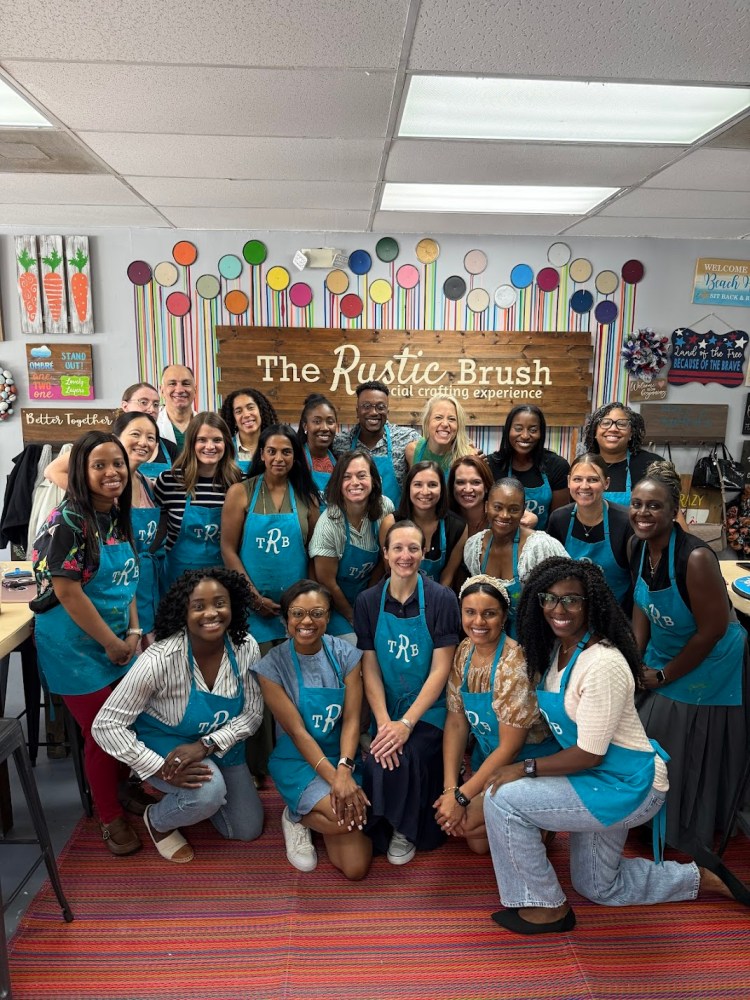
Community support activities are not effective because they “look good” online. They help because they break employees out of normal workplace pressure for a while.
Most workplace stress builds around deadlines, performance expectations, and constant structure. Off-site community activities give teams a chance to interact differently without worrying about presentations, targets, or internal pressure.
Too many organized events start feeling forced. Simple experiences like community support projects, local outreach programs, creative workshops, or team-based fundraising activities usually create better engagement than highly staged corporate events.
Employees want authenticity. This is when creative group workshops can help too when they focus on relaxation instead of performance.
You can engage in team painting sessions and DIY craft experiences offered by The Rustic Brush . They give employees a break from screens and deadlines.
Their wood sign workshops work especially well for smaller teams that need calm social interaction without awkward icebreakers. Whatever you create you can then donate for a good cause and support the community.
How to Introduce Employee Wellness Activities Without Getting Ignored
Many companies launch huge wellness campaigns that overwhelm employees immediately. Too many emails, too many apps, and too many reminders. Participation drops because people tune out before habits form.
The strongest launch strategy is simple. Pick one stress-removal activity and one stress-recovery activity first. For example, combine no-meeting blocks with guided breathing sessions. Employees feel the difference quickly. That early trust matters.
A practical rollout often looks like this:
- Start with one team first
- Use activities requiring no new software
- Train managers before company-wide promotion
- Add new practices every 60 days, not all at once
Visible behavior change spreads faster than internal newsletters ever will. Employees copy what respected coworkers actually do. Especially under stress.
One more thing matters here. Leadership participation cannot feel fake. If executives schedule “focus hours” but still send nonstop Slack messages during them, the entire effort collapses. Employees notice that instantly. Every time.
A Healthier Workplace Starts With Smaller Daily Changes
The biggest lesson from these employee wellness activities is simple. Stress drops faster when companies fix daily pressure points instead of adding surface-level perks. Employees do not need another motivational slogan during a hard week. They need calmer schedules, better conversations, short recovery moments, and leaders who notice strain before burnout shows up in resignation letters.
Companies that reduce stress well tend to share one habit. They treat wellness as part of work itself, not a side project employees must squeeze into already packed calendars. That shift creates healthier teams, steadier performance, and workplaces people actually want to stay in.
FAQs
Q1: What are the best employee wellness activities for fast stress relief?
The fastest options are a DIY craft experience at The Rustic Brush, guided breathing sessions, movement breaks, no-meeting time blocks, and walking meetings. They lower stress during the workday instead of after burnout builds.
Q2: How often should companies run wellness activities?
Small daily habits work better than huge monthly events. Short practices repeated often create stronger stress reduction over time.
Q3: Do wellness programs really reduce burnout?
Yes, when they remove stress sources directly. Programs focused only on perks often fail because they ignore workload pressure and poor communication.
Q4: Are mental health days effective?
Mental health days help when employees can take them without needing to defend the decision. Trust matters more than policy wording.
Q5: What wellness activities work for remote teams?
Remote teams respond well to breathing sessions, recognition rituals, and protected focus hours.