
10 Meaningful Employee Appreciation Ideas That Truly Work
A generic “great job” may lift someone’s mood for a moment. Yet a clear message about what the person did and why it mattered can stay with them for years. This is why the best employee appreciation ideas make people feel seen, respected, and valued for specific work they have done. A large budget is not required but what matters most is choosing recognition that feels personal, fair, and sincere.
Why Meaningful Employee Appreciation Matters
Appreciation tells employees that their effort has a purpose and shows them which actions help the team succeed. When recognition is clear and timely, it can encourage people to repeat those useful habits.
The effect goes beyond a short burst of joy, yet appreciation can miss the mark when it feels forced. A mass email or the same gift for everyone may seem like a box-checking task. Meaningful recognition should reflect the person, the achievement, and the moment.
10 Employee Appreciation Ideas Your Team Will Value
1. Write a Specific Thank-You Note
A personal note is one of the simplest ways to show thanks. It works because the employee can keep it and read it again. The message also feels far more real than a copied template.
Name the exact action you appreciated. Then explain how it helped a client, coworker, or project. For example, you might thank an employee for staying calm during a hard client call and protecting the relationship.
A useful note can follow this short pattern:
- State what the employee did.
- Explain why the action mattered.
- Name the strength you noticed.
- End with a warm, direct thank-you.
Handwritten notes feel special, but a well-written email can also work. The heart of the message matters more than the paper.
2. Give Employees a Choice of Rewards
Giving people a choice helps the reward feel useful instead of routine. Create a small menu at a similar value. Options could include a meal voucher, flexible start time, book allowance, charity donation, or paid learning session. This approach is also fair because each person receives the same level of reward without getting the same item.
3. Host a Creative Team Workshop
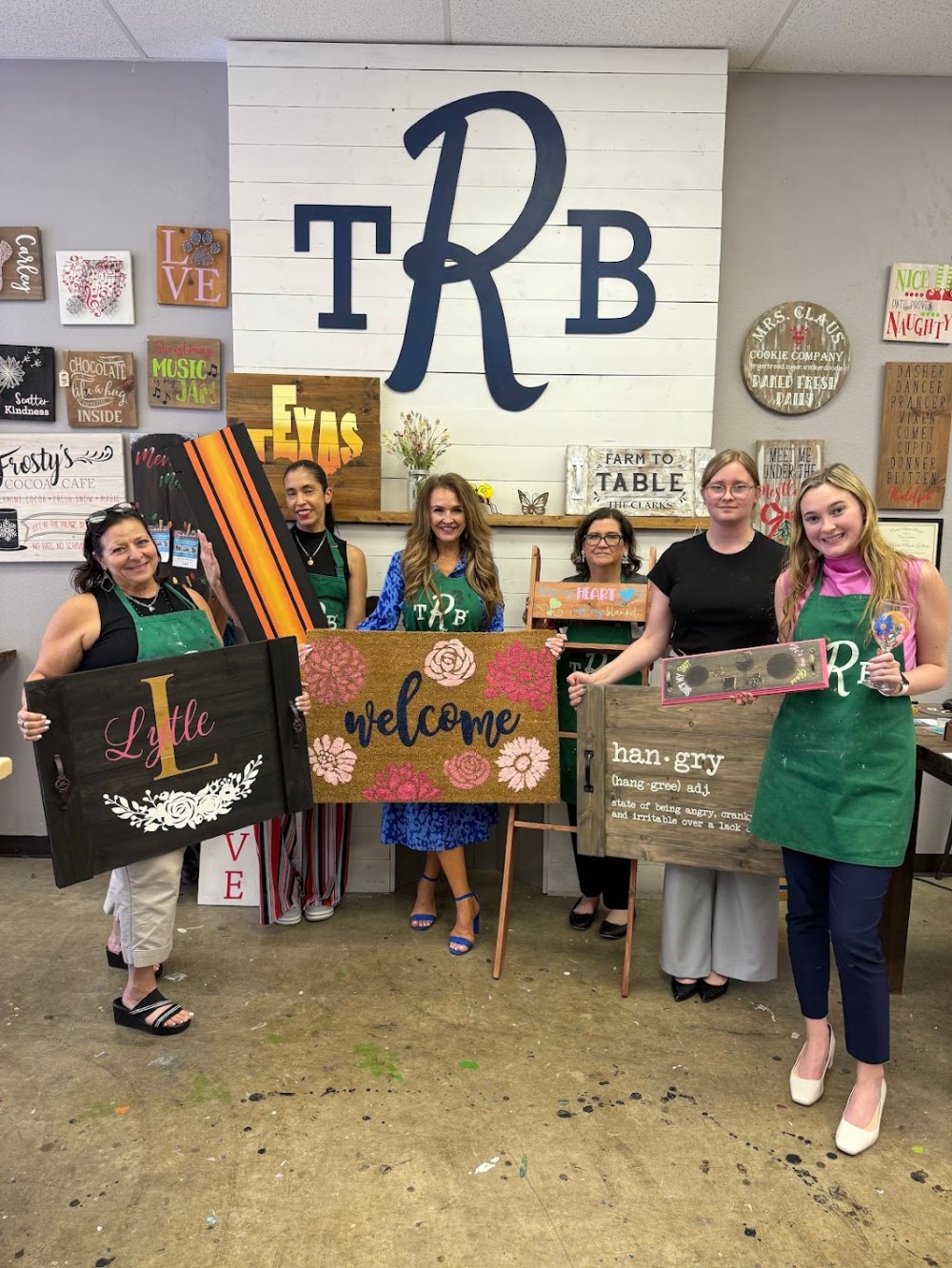
A shared activity can be more memorable than another office lunch. The trick is to pick something relaxed and beginner-friendly. Employees should be able to talk, laugh, and create without feeling tested.
For Texas teams, The Rustic Brush’s corporate workshops offer a hands-on appreciation event. Team members can sand, stain, paint, and use tools while making custom decor. The guided workshop lasts about three hours, and the venue permits groups to bring food and drinks.
The activity suits mixed skill levels because no craft experience is needed. Guests may choose separate projects, or the host can select one design for the group. Each person leaves with a finished piece rather than the usual branded pen.
This is one of those employee appreciation ideas that also builds natural bonds. People chat while their paint dries, and job titles tend to fade once everyone has a brush in hand.
4. Offer Meaningful Time Off
Time is often more valuable than another object. A surprise half-day, longer lunch, or flexible Friday can give an employee room to rest. It may also show that leaders trust people to manage their work.
Match the reward to the achievement and workload. Do not give a day off that forces the employee to work late all week to catch up. That is not a gift but a deadline wearing a party hat. Managers should plan coverage first. Then they can let the employee enjoy the time without calls, guilt, or hidden tasks.
5. Create a Peer Recognition Ritual
Managers do not see every helpful act. Coworkers often notice who answers a late question, shares credit, or steps in during a rush. A peer program brings those quiet efforts into view.
Keep the process light by asking the team members to submit one short note each month. Read a few during a meeting or post them in a shared channel, with permission from the person being praised.
Set clear standards so the program does not become a popularity contest. Recognition should name a real action and its effect. Rotating who shares praise can also help quieter employees take part.
6. Support a Personal Growth Goal
Appreciation can look forward as well as back. Paying for a course, workshop, conference, or professional membership shows faith in someone’s future. It says the company sees more than today’s task list.
Ask what the employee wants to learn and give the person time to use the benefit. A paid course means little if they must complete it after a ten-hour workday.
7. Celebrate Work Anniversaries With Real Stories
A work anniversary should mark the person’s impact, not just count the years. Tell one or two stories about how the employee helped the team grow. Mention a challenge they solved or a customer they supported.
Invite close coworkers to add short memories. This creates a fuller picture than a standard certificate. Even a one-year anniversary can feel warm when the message is rich in detail.
8. Let Employees Choose a Passion Project
Many employees have good ideas that sit outside their daily role. Giving them a small amount of time to explore one can show trust. The project might improve a process, support a charity, or solve a common client issue.
Set a clear limit, such as a few hours each month. Give the employee access to the right people and tools. Then let them share the result without turning the activity into another harsh performance test. This option works best for curious team members who enjoy ownership.
9. Plan a Personal Milestone Celebration
Employees have lives beyond their desks. A new home, completed degree, citizenship milestone, volunteer award, or first marathon may mean a great deal to them. Marking the moment can build a warmer workplace.
Always get permission before sharing personal news. Some employees enjoy a cake and group cheer while others prefer a private card. Keep the gesture kind and pressure-free. No one should have to share details about marriage, family, health, or age to receive equal respect at work.
10. Improve Something Employees Find Frustrating
Sometimes the best form of appreciation is fixing a daily problem. If employees keep raising the same concern, listen. Repairing a broken process may feel more respectful than free snacks ever could.
Perhaps the team needs better software, quieter work areas, clearer schedules, or fewer needless meetings. Choose one realistic issue and explain what will change. If the full request is not possible, say why and offer the closest fair option.
How to Choose the Right Appreciation Idea
Start with the person, not the trend. Consider their role, current workload, interests, and comfort with public attention. Then match the gesture to what they achieved.
A practical decision guide can help:
- For a quick win: Send a specific note.
- For a major result: Pair praise with time off or a reward.
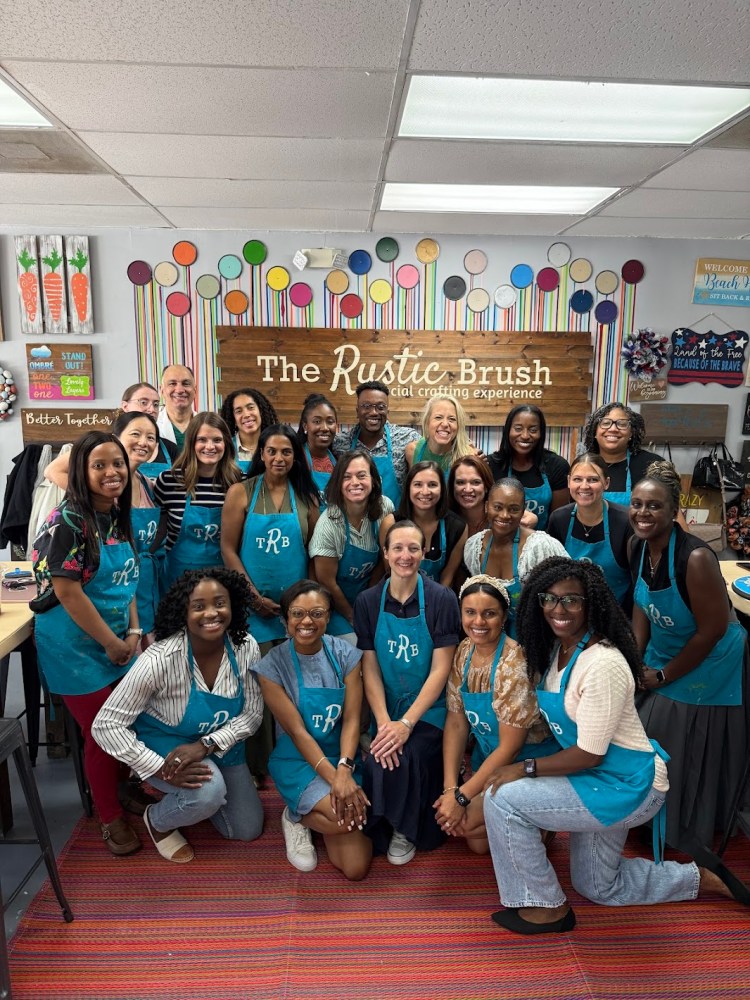
- For team success: Book a shared creative workshop.
- For long-term growth: Fund training or a passion project.
- For unseen effort: Give detailed private or public credit.
- For ongoing frustration: Fix the process causing it.
Cost should not be the main measure. A sincere ten-minute talk can mean more than an expensive gift with no personal thought. Still, large achievements should receive rewards that feel equal to the work involved.
Mistakes That Make Appreciation Feel Fake
Good intent does not always create a good experience. Recognition can backfire when it arrives late, ignores personal preferences, or rewards only visible employees. It can also create doubt when praise replaces fair pay, useful feedback, or proper staffing.
Avoid these common mistakes:
- Giving everyone the same vague message
- Praising only sales or senior employees
- Sharing personal details without consent
- Making attendance at social events feel forced
- Rewarding long hours instead of good results
- Asking employees to pay part of their “reward”
- Using appreciation to hide a workplace problem
The best employee appreciation ideas support a healthy culture. They cannot repair unfair pay, poor management, or constant overload by themselves.
Make Appreciation Part of Normal Work
Recognition should not appear once a year and vanish. Small, honest moments often carry the most weight. A quick note after a hard task or clear praise in a meeting keeps appreciation close to the work itself.
Consistency also builds trust. Employees can tell when praise is a sudden campaign and when it is part of how leaders act. The aim is not endless applause. It is a workplace where good effort gets noticed, credit reaches the right people, and thanks sound like they came from a human being.
FAQs
Q1: What are inexpensive employee appreciation ideas?
Write a personal thank-you note, offer a flexible start time, recognize helpful work in a team meeting, or let employees choose a small perk. Specific words often matter more than price. Make sure the gesture reflects something the employee truly did.
Q2: How often should employees receive recognition?
Recognition should happen soon after meaningful work. Managers do not need to praise every routine task. They should notice strong effort, progress, teamwork, and results throughout the year.
Q3: Is public or private employee recognition better?
It depends on the employee. Some people enjoy public praise, while others find it stressful. Ask how each person prefers to be recognized and respect that choice.
Q4: Are team-building events a good form of appreciation?
Yes, when the event is inclusive, enjoyable, and held during reasonable hours. Creative workshops can help employees relax and connect. Participation should not feel like another work demand.
Q5: What should a manager say when recognizing an employee?
Name the action, explain its impact, and thank the person directly. For example: “Your clear project notes helped the whole team meet Friday’s deadline. You saved us time and kept the client informed. Thank you for taking such care.”